
Uncovering the ‘Wow’ in commercial foodservice innovation
The directive for The NAFEM Show was simple but ambitious: “Find Your WOW”.” But inside the WHAT’S HOT! WHAT’S COOL!™ product gallery, that “wow” wasn’t about flashy gimmicks. It was about bottom-line survival.
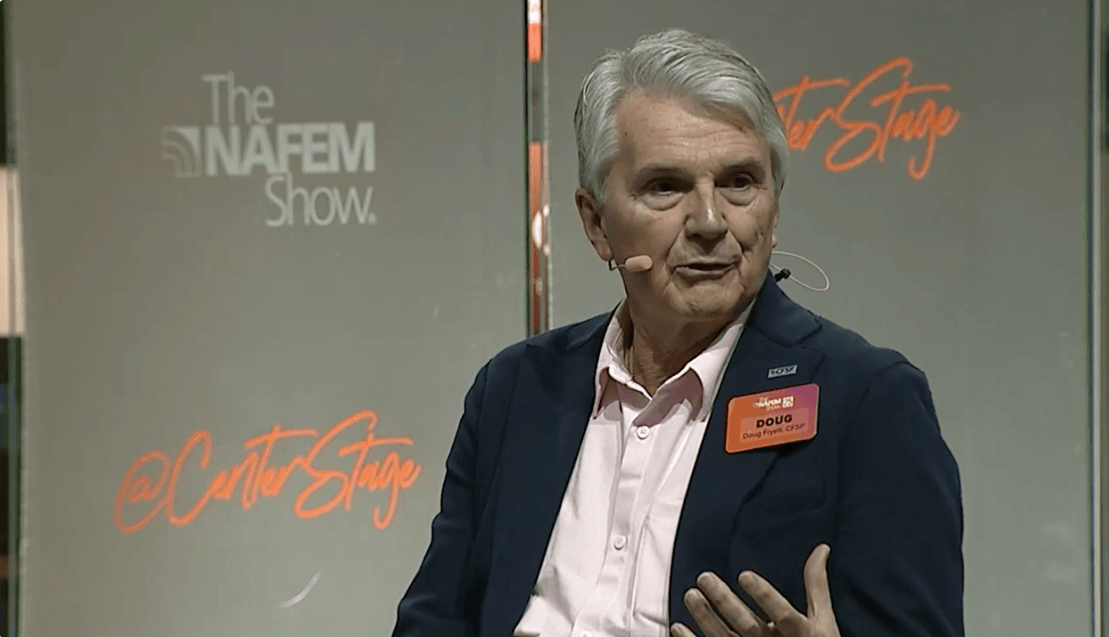
To make the cut, equipment and supplies (E&S) had to be entirely new to the industry since 2023. According to Doug Fryett, CEO, Fryett Consulting Group and t Certified Foodservice Professional (CFSP) program instructor, this year’s gallery signals a massive shift. Manufacturers are actively engineering solutions to the operator’s deepest pains (labor shortages, shrinking real estate and waste management) instead of pushing feature upgrades.
For operators, dealers and consultants looking to stay ahead, here are the defining trends reshaping the foodservice value equation.
Sustainability is now an ROI play
The foodservice industry has long held the dubious distinction of consuming more energy and creating more waste per square foot than any other commercial sector. But the innovations at The NAFEM Show prove that sustainability has evolved from a regulatory burden into a cultural value that drives revenue.
Consumers are actively willing to pay more at sustainable establishments and manufacturers are delivering the tools to make it happen. Standouts included:
- High-efficiency thermal engineering. One manufacturer debuted a cooking system utilizing 60 percent less gas than previous market standards.
- The rice husk revolution. Demonstrating a true circular economy, another manufacturer is repurposing rice husks into a highly durable, wood-like material for countertops and service fixtures.
Solving the labor and Space Crisis
Manufacturers are increasingly acting as operational consultants, conducting deep workflow studies to identify kitchen bottlenecks. The result? Tools built for the realities of today’s twin crises: expensive real estate and scarce labor.
One manufacturer showcased a 36-inch-wide unit developed specifically after studying station bottlenecks at national chains. The results were staggering:
- The unit allows a single station to replace two staff members, driving an estimated $80,000 in annual labor savings.
- It drastically slashes the time between order receipt and delivery.
- By condensing multiple functions into a tiny footprint, it allows consultants and operators to confidently design smaller, more profitable kitchens.
Cutting through the ‘dirty words’ of tech
“AI” and “data mining” have become industry buzzwords that often create more noise than value. Fryett noted a clear fatigue among operators regarding embedded electronics. The new consensus is that data is entirely useless unless it provides actionable information.
An ongoing challenge is communication. Gathering metrics is no longer enough. Success depends on ensuring employees understand exactly what actions to take based on that data – transforming simple kitchen sensors into intuitive decision-making assistants.
Hardware, software and harvest
Innovation has become a convergence of technology and food itself. Fryett highlighted a fascinating example: a Louisiana farmer who developed a new strain of rice containing 60 percent more protein than traditional varieties. For consultants and operators, this food science breakthrough immediately forces a hardware question: Does this high-protein grain require modified cookers or specific tools to prepare properly? Moving forward, the intersection of new food science (like shelf-safe dairy or meat substitutes) and E&S engineering will be a primary driver of kitchen design.
Looking ahead to 2027
The manufacturer-operator relationship is evolving. To remain relevant, the industry is abandoning generic feature sets in favor of “value-added equations” that solve specific, daily operational headaches.
As we look toward The NAFEM Show, Feb. 11-13, 2027, in Orlando, Fla., the focus is clear: make these sustainable, data-driven and labor-saving innovations mainstream.